
 RSS Feed
June
17
17
How to Stage Small Rooms for a Spacious Feel
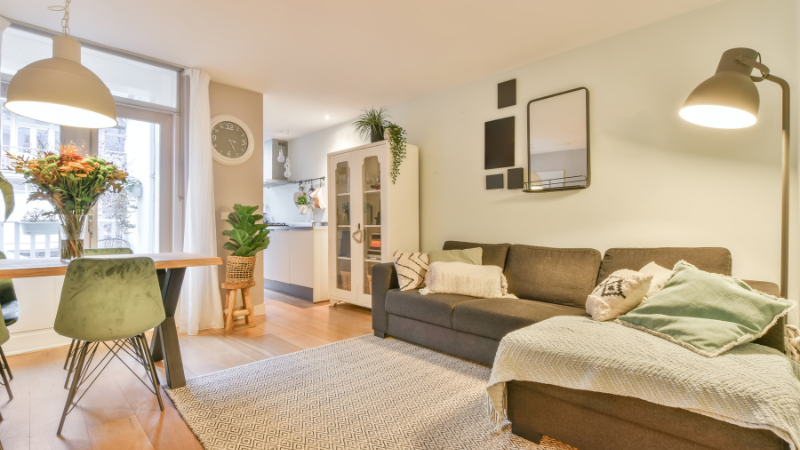
When preparing St. Louis homes for sale, creating the illusion of space in smaller rooms can significantly impact buyer perception and overall property value. Strategic staging techniques can transform cramped quarters into inviting, open areas that feel larger than their actual square footage.
- Maximize Natural Light
Light is your greatest ally when staging small rooms. Remove heavy curtains and replace them with sheer panels or light-filtering blinds that allow maximum sunlight to enter while maintaining privacy. Clean all windows thoroughly, both inside and out, to ensure they sparkle and let in as much natural light as possible. - Choose the Right Color Palette
Light, neutral colors are essential for making small spaces feel larger. Paint walls in soft whites, pale grays, or warm beiges to reflect light and create visual continuity throughout the room. Avoid dark colors on walls, as they absorb light and make spaces feel closed in. Extend this principle to your staging accessories by selecting furniture and decor in similar light tones that complement rather than contrast with the wall color. - Scale Furniture Appropriately
Oversized furniture can overwhelm a small room and make it feel cramped. Select pieces that are proportional to the space, choosing furniture with exposed legs to create a sense of airiness and visual flow. A few well-chosen, appropriately sized pieces will be more effective than cramming in multiple items. Consider multi-functional furniture like ottomans with storage or nesting tables that can serve multiple purposes without cluttering the space. - Create Clear Pathways
Ensure there are obvious and unobstructed walking paths through each room. Arrange furniture to encourage natural traffic flow and avoid blocking doorways or windows. Push furniture slightly away from walls rather than pushing everything against the perimeter, which can actually make a room feel smaller. This technique creates the illusion of more floor space and allows potential buyers to move comfortably through the area. - Use Mirrors Strategically
Mirrors are powerful tools for creating the illusion of space and amplifying natural light. Place a large mirror opposite a window to reflect outdoor views and double the amount of light in the room. Consider using multiple smaller mirrors grouped together as an art installation, or incorporate mirrored furniture pieces like side tables or wardrobes. Position mirrors to reflect the most attractive views within the room rather than cluttered areas or blank walls. - Minimize Clutter and Maximize Storage
Remove all personal items, excess decor, and unnecessary furniture to create clean, open spaces. Pack away most books, knick-knacks, and family photos, leaving only a few carefully selected decorative pieces. Ensure all storage areas, like closets and cabinets, are organized and only half full to demonstrate ample storage capacity. This approach allows potential buyers to envision their own belongings in the space without feeling overwhelmed by existing items. - Add Vertical Elements
Draw the eye upward to create the impression of higher ceilings and more spacious rooms. Hang curtains close to the ceiling, rather than just above the window frame, to make windows appear larger and ceilings higher. Use tall, narrow furniture pieces like bookcases or floor lamps to emphasize vertical space. Avoid low, wide furniture arrangements that can make ceilings appear lower and rooms feel more cramped.
Successfully staging small rooms requires thoughtful planning and attention to detail, but the impact on buyer perception can be substantial. These techniques will help showcase your property's potential and create an environment where buyers can envision themselves living comfortably. Get in touch today to discuss how professional staging can enhance your home's marketability and help you achieve your selling goals.